AI Photo Editor Online Free

Upload one photo to this AI photo editor online free and the AI splits it into separate subject, background and object layers. Swap a sky, restyle a backdrop or tidy a product shot by editing those layers in Photopea, Photoshop or any other PSD editor. Export a layered PSD or a PNG ZIP with no watermark.

Upload Image

PSD + PNG ZIPNo Prompt Needed

JPG, PNG or WebP up to 12 MB. Sign in to upload.

Click or drag an image here

Sign in to upload your image

Layer count

Free accounts can use up to 4 layers; subscribers get up to 8.

4
Sign In to Split Into Layers10 credits

Example Split

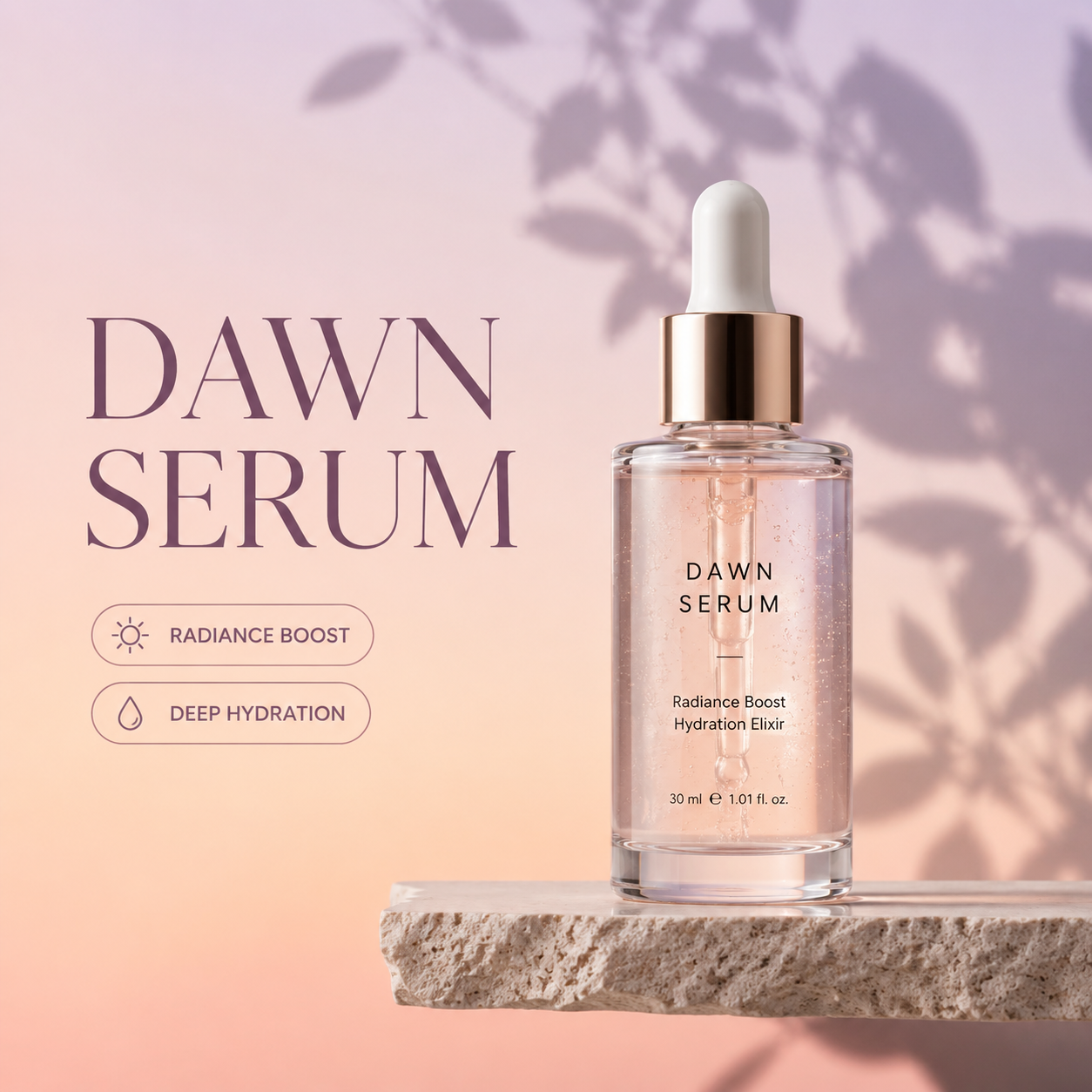
Original Dawn Serum skincare ad uploaded as one flat image before the split
Original

Layer Previews

Check every layer before you export

Layer thumbnails show up here after a run.

What comes back

What You Get From This AI Photo Editor

One upload returns a stack of transparent layers and an export that opens in the editor you already use.

Subjects on Their Own Layers

People, products and pets come back as transparent PNG layers, already cut away from their surroundings. Move, scale or recolor them without tracing an outline first, although soft edges such as hair can still need a touch-up in your editor.
A Background Layer With the Gap Filled

The background arrives as its own layer, and the area that sat behind foreground objects is usually filled in. Results vary from photo to photo, so check that patch before moving a subject far from where it stood.

Objects and Shadows Pulled Apart

Props, signs, text and cast shadows often land on layers of their own. Hide one to see the photo without it, or keep a shadow layer to ground your subject on a new background.

Layered PSD or PNG ZIP Export

Download a layered PSD that opens in Photoshop, Photopea, GIMP and Affinity, or a ZIP of PNG layers for Canva, Figma and slide decks. Neither export carries a watermark.

Before and after

Layer-First
AI Photo Editor

This AI photo editor takes care of the slow part: cutting subjects, background and objects apart. The creative edits happen afterwards in Photoshop, Photopea or another PSD editor, and each example below notes which part the layers actually help with.

Split Your Photo Into Layers

Layered PSD or PNG ZIP, no watermark

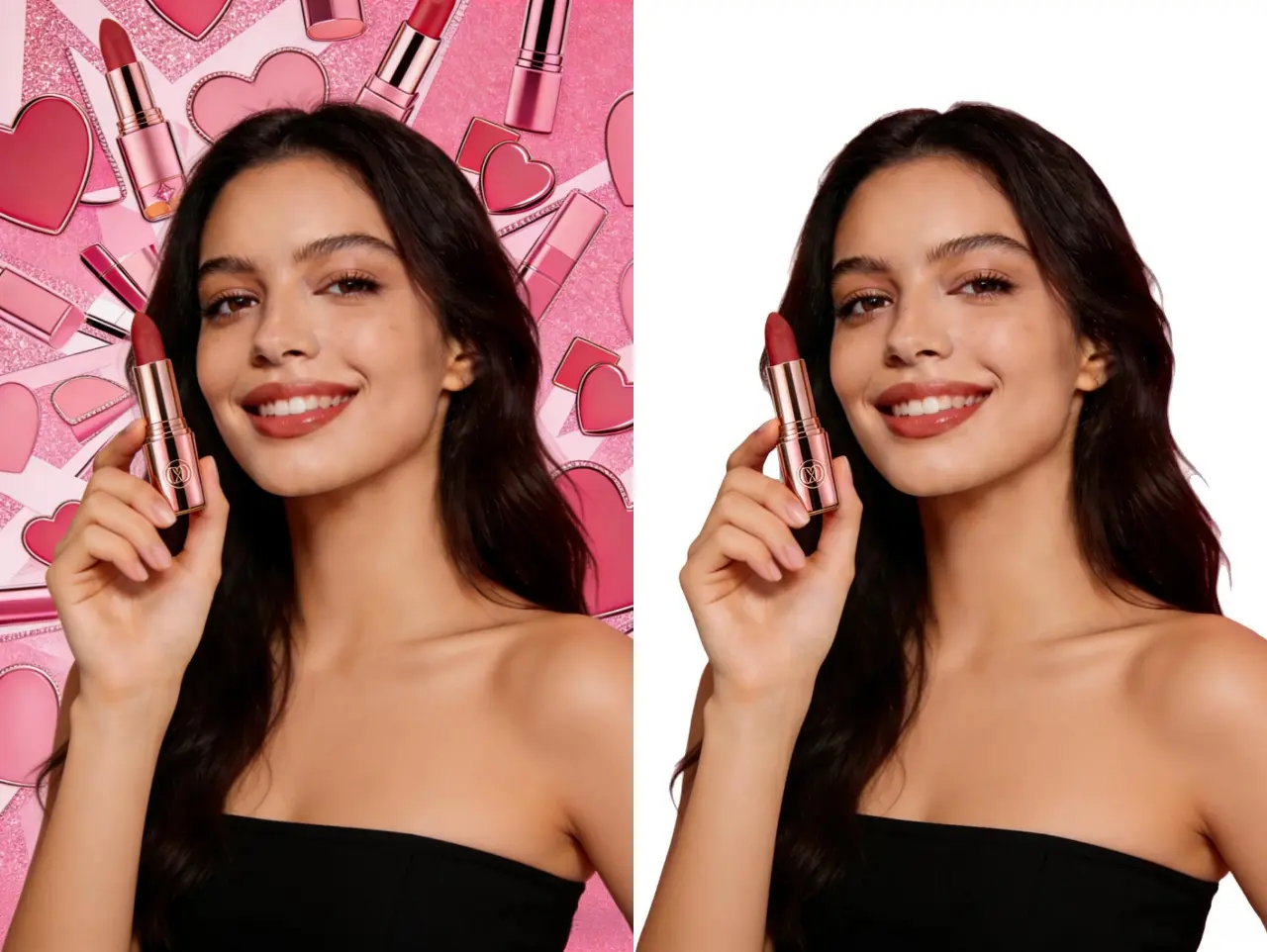
Cleaner Portraits for Social Posts: example of the finished edit
Cleaner Portraits for Social Posts: example photo before editing
BeforeAfter

Portrait & Social

Cleaner Portraits for Social Posts

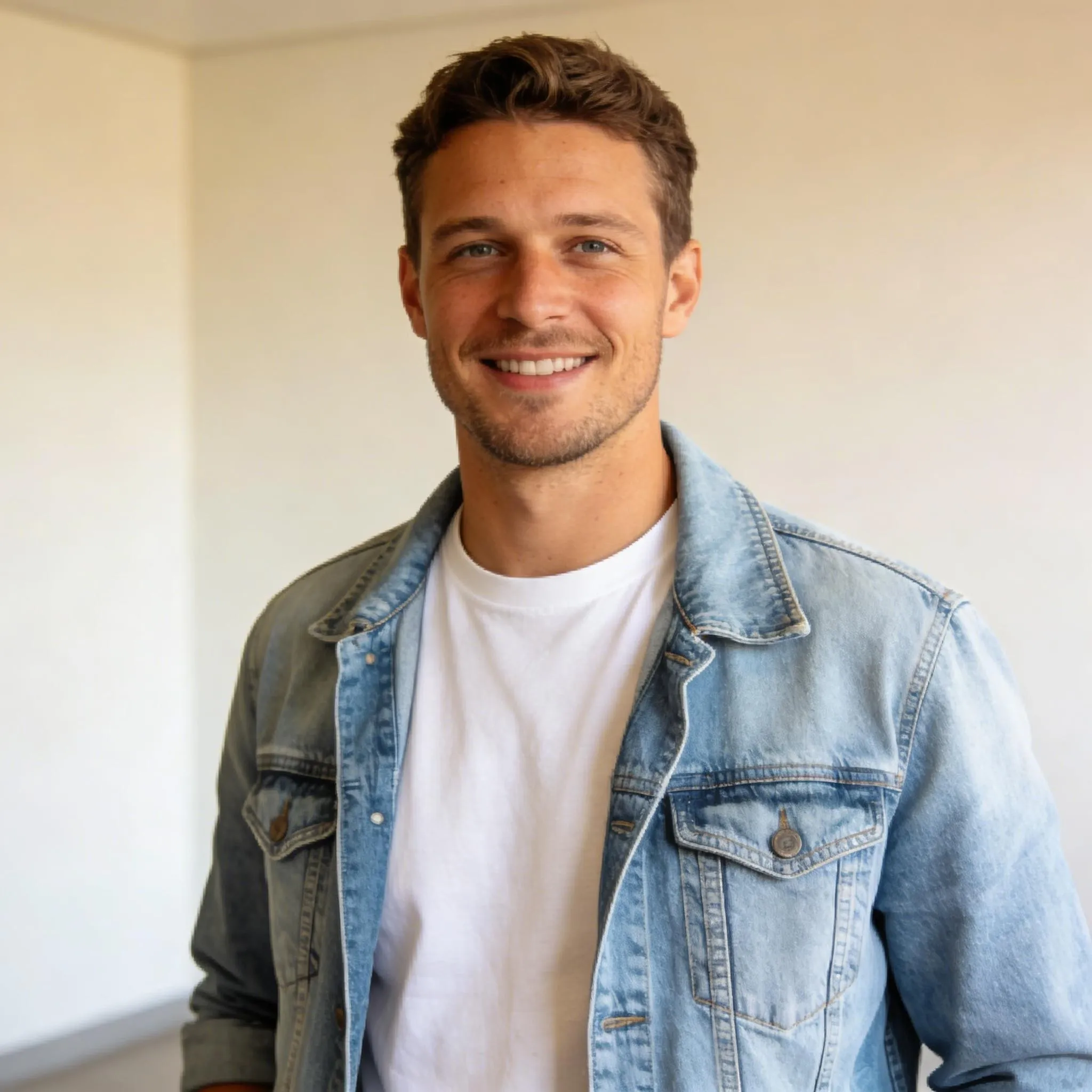
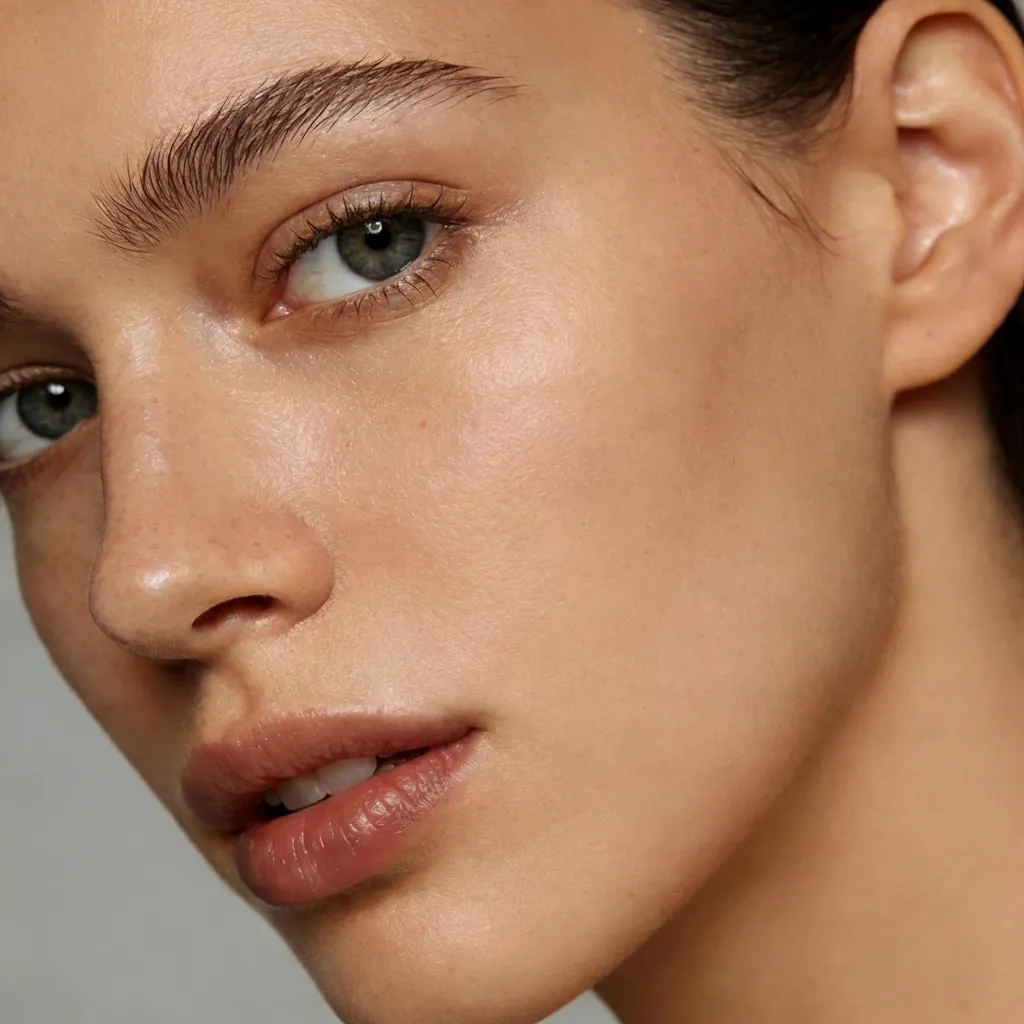
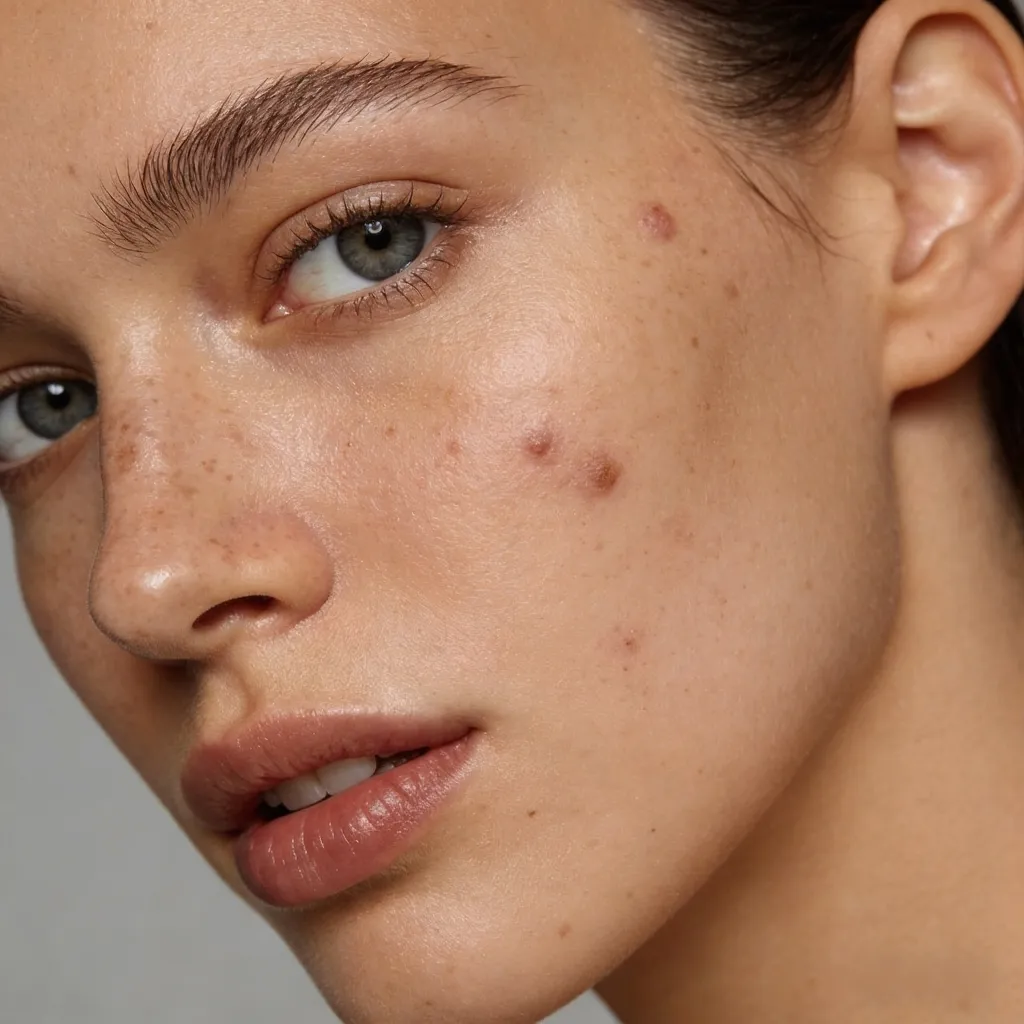
Blemish cleanup like this is hand retouching with a healing brush in your PSD editor. Splitting first puts the person on their own layer, so the backdrop stays untouched while you work and can be restyled for each post.

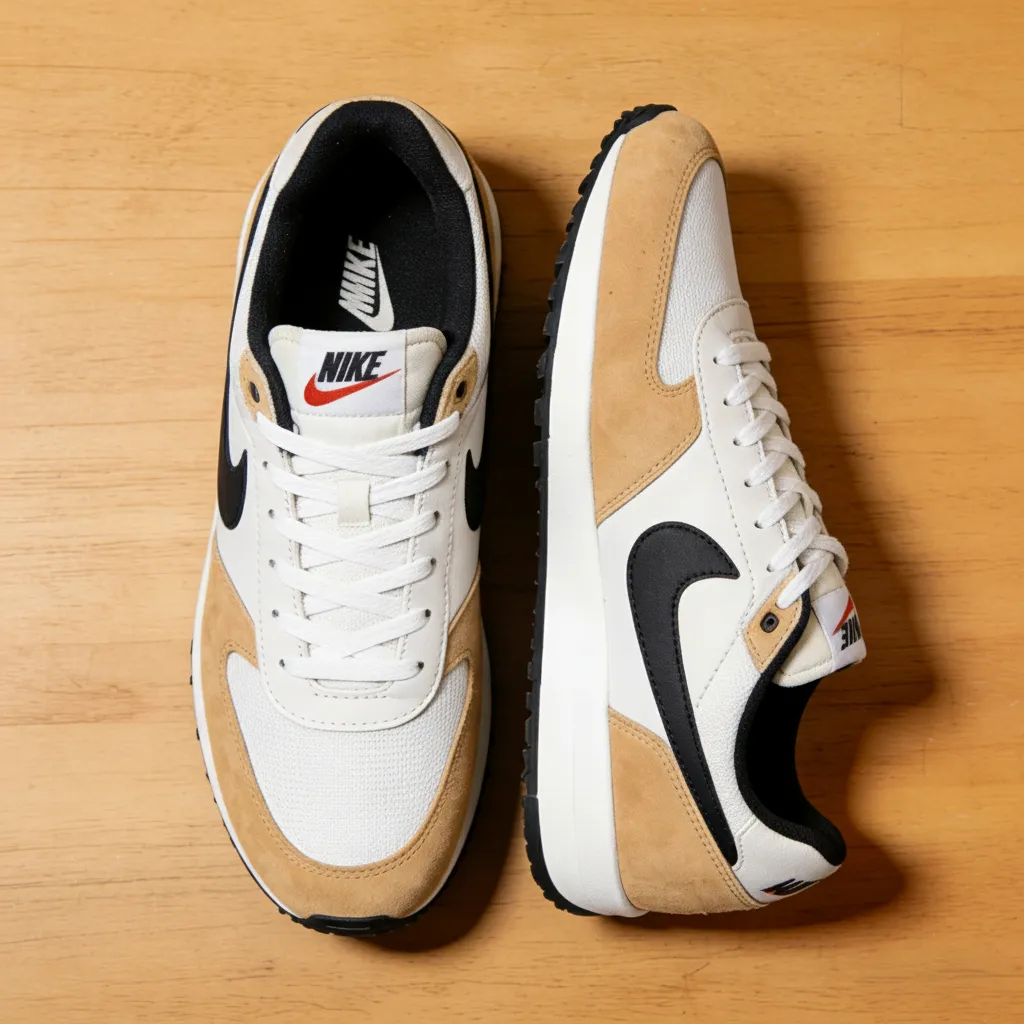
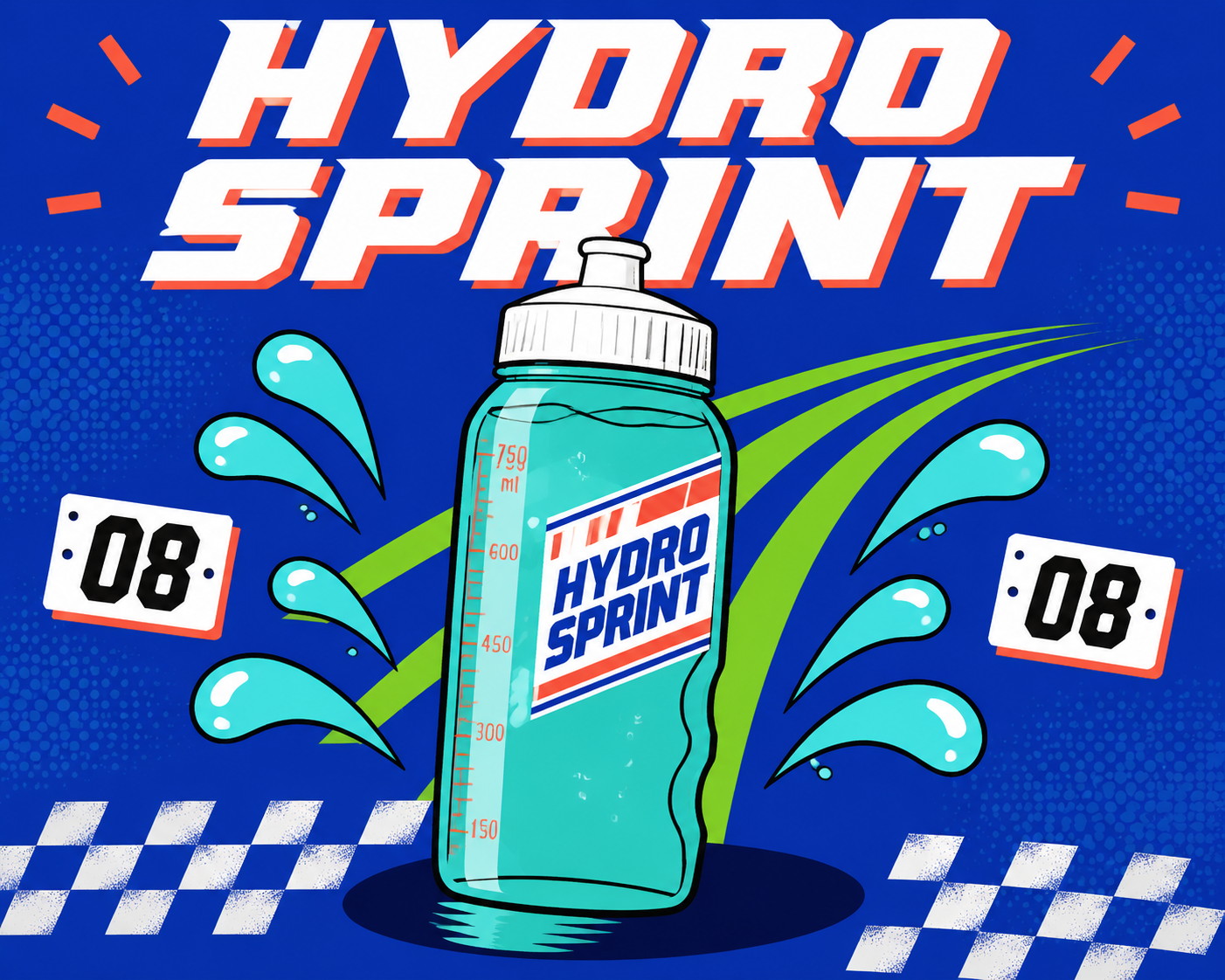
Clutter-Free Product Shots: example of the finished edit
Clutter-Free Product Shots: example photo before editing
BeforeAfter

Product & E-commerce

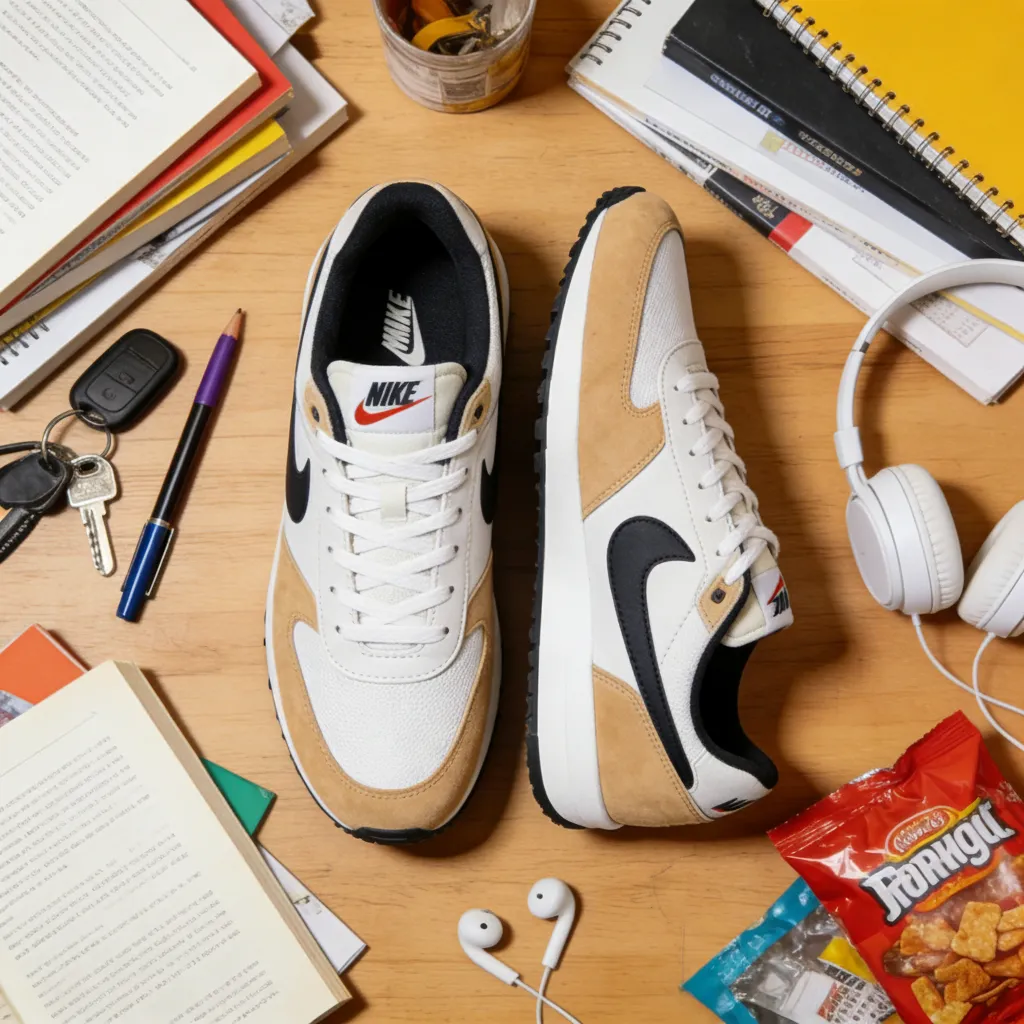
Clutter-Free Product Shots

Keys, books and snack bags that land on their own layers can simply be hidden in your editor, leaving just the product. Anything that shares a layer with the tabletop still needs a quick patch by hand.

A New Backdrop for Your Headshot: example of the finished edit
A New Backdrop for Your Headshot: example photo before editing
BeforeAfter

Business & LinkedIn

A New Backdrop for Your Headshot

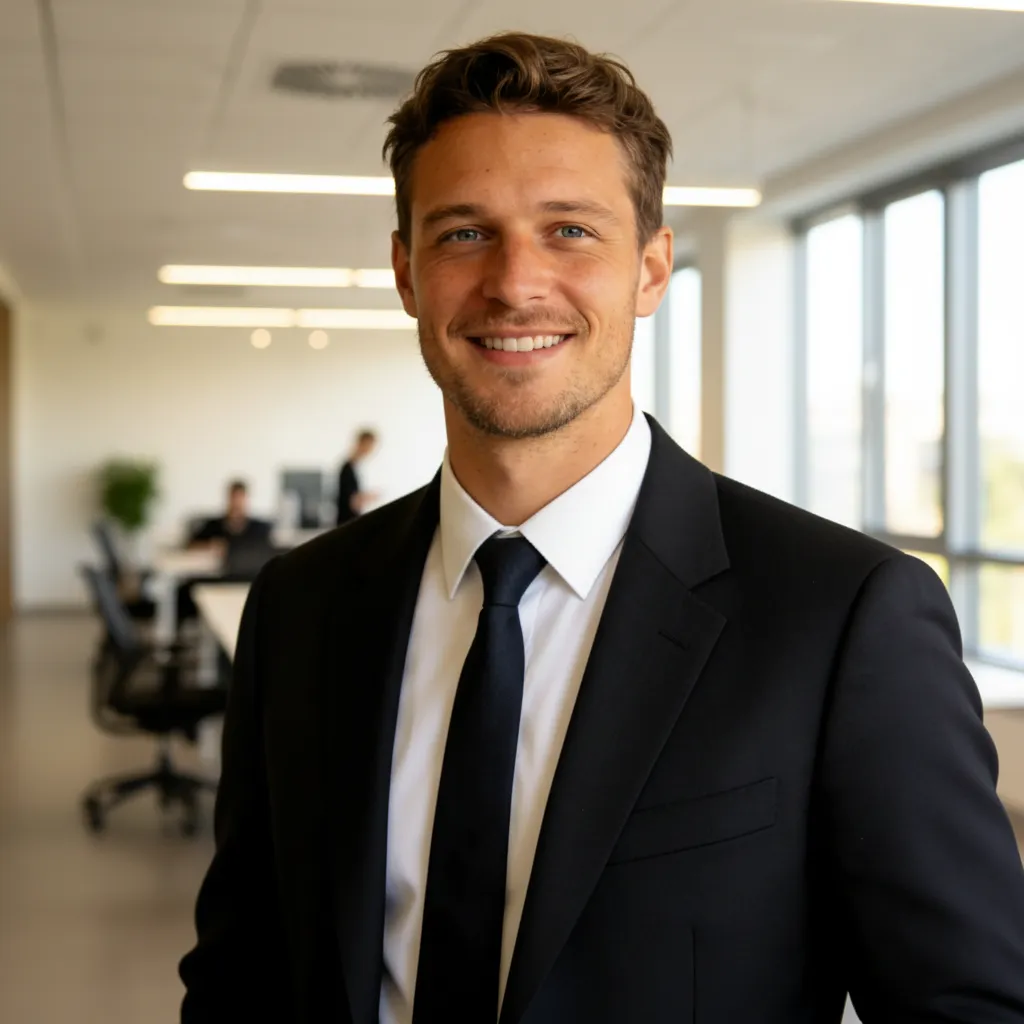
Place an office or studio backdrop under the subject layer and match the color so it sits naturally. Bigger changes, like the suit in this example, mean compositing clothing by hand and take real editing skill.

AI photo editor use cases

Where AI Photo Editing With Layers Helps Most

The AI does the separating, and the edits below happen in the PSD editor you already use.

E-commerce Product Photos

Set the product layer on a clean color or a lifestyle scene, and keep its shadow layer when one comes back so the item still sits naturally.

Portrait Retouching

Blur, darken or replace the background behind a person without drawing a mask first. Skin and detail retouching remains manual work in your editor.

Social Media Content

Reuse one subject layer across square, story and banner crops, giving each post its own background without cutting the subject out again.

Fashion & Advertising

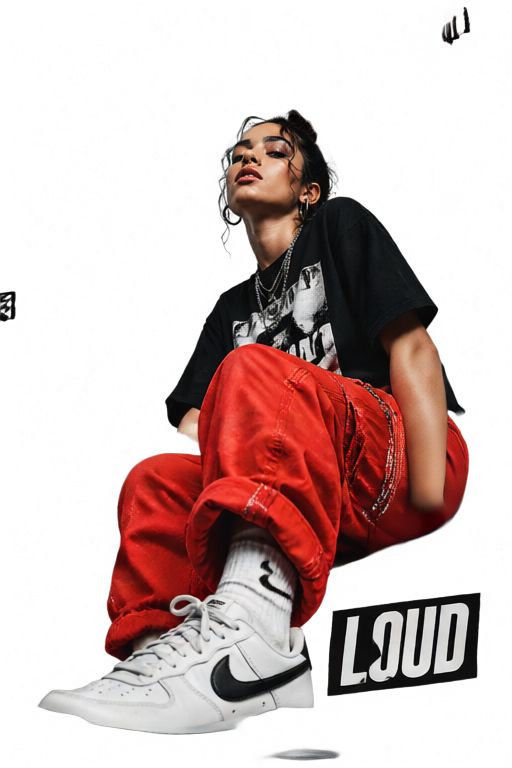
Place model shots on branded backgrounds and assemble campaign composites from separated layers instead of cutting every look out by hand.

Real Estate & Interior

Swap a flat gray sky above an exterior or hide loose items when they land on their own layers. Restaging a room with new furniture is still manual compositing in your editor.

Creative & Art Direction

Rearrange elements, test new backdrops and try color treatments one layer at a time before committing to a final composition.

How it works

How to Use the AI Photo Editor in 3 Steps

Upload, split and export here, then make the actual edits in the PSD editor you already use.

  1. step 1

    Upload a photo

    Sign in and upload a JPG, PNG or WebP photo of up to 12 MB.

  2. step 2

    Pick a layer count

    Pick 2 to 8 layers: up to 4 on a free account, up to 8 with a subscription. Each run costs 10 credits and usually takes 1 to 5 minutes.

  3. step 3

    Preview, export and edit

    Preview every layer, export a layered PSD or a PNG ZIP, then make your edits in a PSD editor such as Photopea or Photoshop.

Before you upload

What to Expect From Every Split

Straight answers on quality, cost and speed before you upload anything.

  • No Masks or Prompts to Write

    The model, Qwen Image Layered run through fal, decides what belongs together and returns each part as a transparent RGBA PNG layer: typically the subjects, the background, and shadows or objects.

  • Failed Runs Are Refunded

    A run costs 10 credits no matter how many layers you ask for. If it fails, those credits return to your account automatically, and finished exports never carry a watermark.

  • Choose 2 to 8 Layers

    A low count gives broad parts such as subject and background, while a higher count tends to pull props, text and shadows apart. Free accounts go up to 4 layers and subscribers up to 8.

  • Realistic Speed and Layer Size

    Expect 1 to 5 minutes per run. Layers are sized to the model's working resolution, so they can come back smaller than your upload. That is fine for web and social work; plan print jobs with it in mind.

FAQ

Frequently Asked Questions — AI Photo Editor Online Free

What the AI photo editor does and does not do, what a run costs, and where the actual edits happen.

It splits one photo into separate transparent layers. An AI model, Qwen Image Layered run through fal, studies the picture and returns the subjects, the background and often shadows or objects as RGBA PNG layers. You preview them, export a layered PSD or a ZIP of PNGs, and make the actual edits in a PSD editor.

Split Your Next Photo With the AI Photo Editor Online Free

Sign in, upload a JPG, PNG or WebP photo and the AI photo editor returns transparent layers, typically the subject, background and objects, ready to export as a layered PSD or PNG ZIP with no watermark.