PSD Format File With Editable Layers

Upload a PNG, JPG or WebP and download a layered PSD. AI separates the picture into 2 to 8 transparent layers, stacked with the background at the bottom.

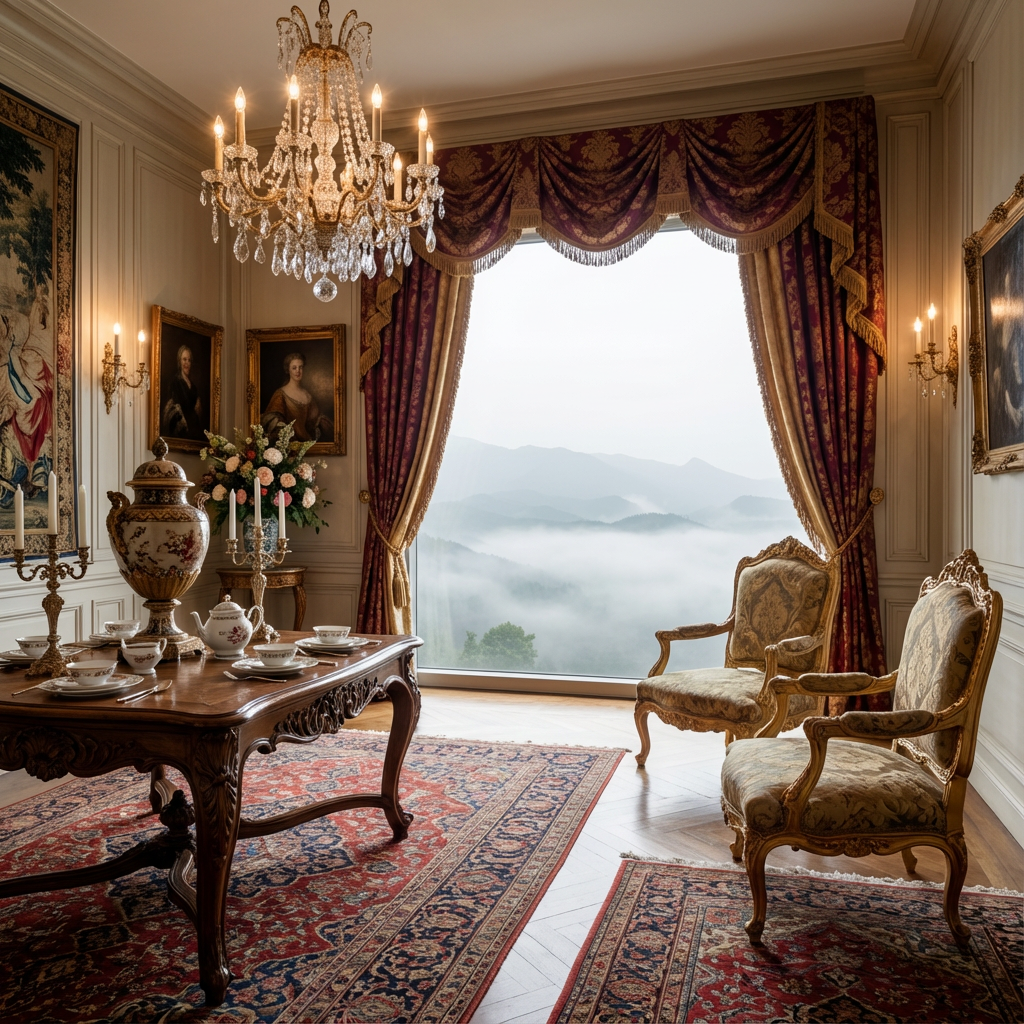
Example original photo before it is split into layersOriginal
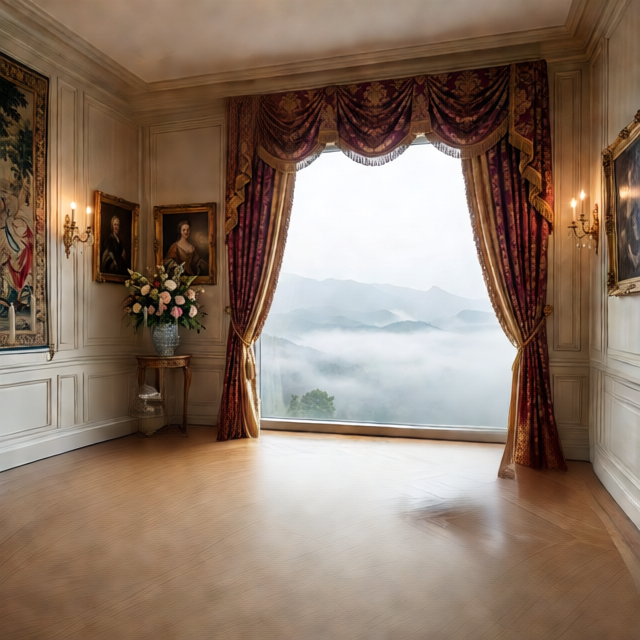
Layer 1Layer 1

Click or drag an image here

Sign in to upload your image

Layer count

Free accounts can use up to 4 layers; subscribers get up to 8.

4
Sign in to generate10 credits
  • JPG · PNG · WebP
  • Up to 12 MB
  • No watermark
  • Layered PSD + PNG ZIP
  • 2–8 layers per image
  • About 1–5 minutes
  • Failed runs refunded

How it works

What goes into the PSD format file you download

Changing a file extension does not create layers. Rename a JPG to .psd and most editors refuse to open it; run it through a plain format conversion and you get one flat layer. Here the picture is separated first, so the PSD format file holds several real layers instead of one.

  • Real layers, not one flat plate

    Each layer the model returns becomes its own pixel layer, named Layer 1, Layer 2 and so on, at full opacity with a normal blend mode. Nothing is hidden or merged when the file opens, and even the bottom layer stays unlocked.
  • Stacking order kept

    The background plate sits at the bottom and every layer above it composites on top, in the order the model produced them. Hide the upper layers and the background shows through.

  • A composite preview inside

    The document also carries a flattened composite of the stack, so file previews and apps that read only the composite still show the finished picture.

Quick answer: what is a PSD format file?

PSD is the native Photoshop document format. A PNG or JPG stores one grid of pixels, while a PSD format file stores a stack of layers, each with its own transparency, name and place in the order. This page builds one from a flat image by separating it into layers first.

Step by step

From one flat image to a layered PSD format file

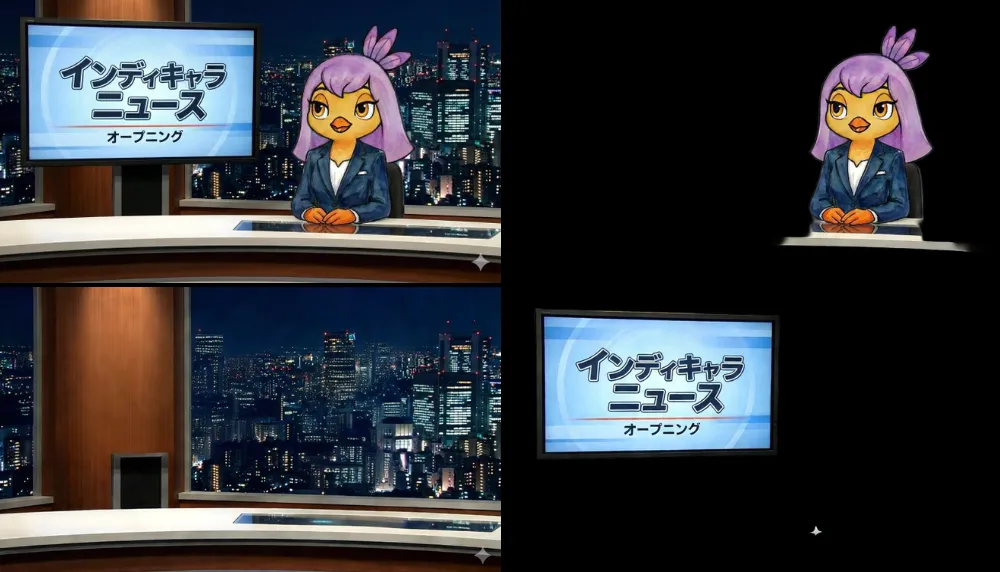
This example started as a single flat frame of an anime news studio. After separation, the anchor and the on-screen graphic each sit on a layer of their own, the background has the gaps behind them filled in, and a PSD format file keeps layers like these together in one stack.

Example
Example: an anime news studio frame shown flat, then split into the anchor, the on-screen graphic and a background with the gaps filled in
Example: one flat frame, three separated layers
  1. Upload a PNG, JPG or WebP

    Sign in and add one image file of up to 12 MB. Product shots, posters, ad composites and concept art are all worth turning into layers.

  2. Separate it into layers

    Pick 2 to 8 layers (free accounts up to 4, subscribers up to 8) and start the run for 10 credits. Most runs take one to five minutes, and failed runs are refunded automatically.

  3. Download the PSD

    Preview each layer, then choose the PSD export. Your browser packages the same PNG layers into one file, and the download starts as soon as that finishes.

Upload formats

PNG to PSD, JPG to PSD and WebP to PSD

All three upload formats end up in the same kind of layered document; only the quality of the source changes what to expect.

  • PNG to PSD with layers

    PNG is a lossless format, so crisp edges and flat colors reach the model intact. Graphics, screenshots and illustrations saved as PNG are often the cleanest files to convert.

  • JPG to PSD with layers

    JPG is a lossy format: its compression softens edges and adds blocky noise, which can blur the boundary between objects. Use the highest-quality JPG file you have; photos with a clear subject still separate well.

  • WebP to PSD

    WebP images saved from websites convert the same way. If your browser saved an AVIF or another format instead, re-save it as PNG or JPG first, since only JPG, PNG and WebP files are accepted.

  • PSD format file or PNG ZIP?

    Take the layered file when the stack travels as one document to a designer or client, and the PNG ZIP when each layer goes into a different tool.

Best fit

When a PSD format file is the right download

A PSD format file holds the same layers as the PNG ZIP, packaged as one document. Choose it for handoff, not for features a file format cannot add to pixels.

  • Use it for

    Handoff and retouching

    Send one file to a retoucher, client or teammate who works in Photoshop, Photopea, GIMP or Affinity. They get the layers in order without importing a folder of loose PNGs.

  • Avoid when

    You need live text or vectors

    Every layer is a pixel layer: headlines arrive as images of text and logos as pixels, so type has to be reset and shapes redrawn by hand.

  • Output focus

    One document, same layers

    The file holds exactly the layers you previewed, at the size the model returned them, with no watermark added. The background layer usually has the area behind objects filled in, though results vary by image.

File details

PSD format file FAQ

Yes. PSD, short for Photoshop Document, is the format Photoshop saves by default. Photopea, GIMP and Affinity open it too, which is what makes it a practical handoff format.

Turn a flat image into a PSD format file

Sign in, upload a PNG, JPG or WebP of up to 12 MB and choose 2 to 8 layers. Preview each one, then download the layered file with no watermark.