
Character on its own layer
The figure comes away from scenery, panel borders and foreground effects and gets its own layer in the anime PSD, ready to move, flip or reuse after some edge cleanup.
Upload one anime illustration and download a layered anime PSD: the character, props and background usually come back as separate transparent layers for Photoshop, Clip Studio Paint or Krita.
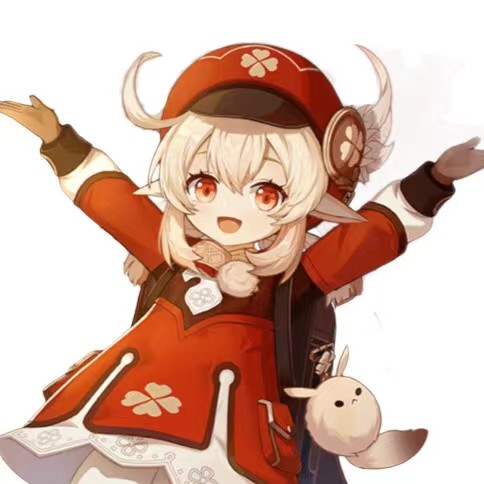
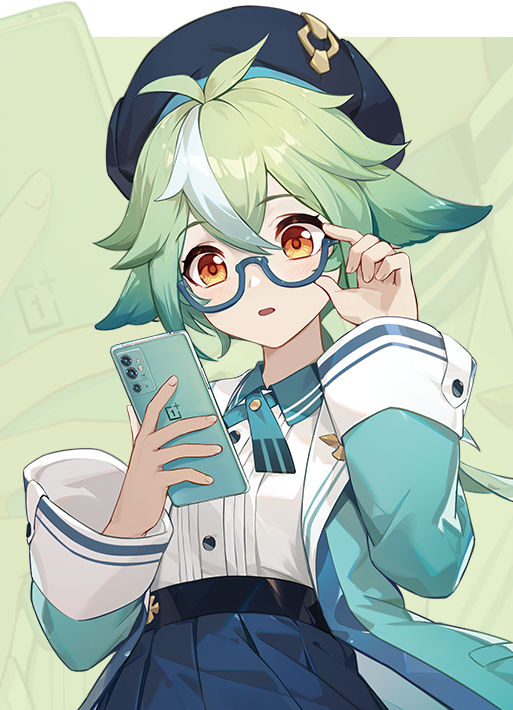 Original
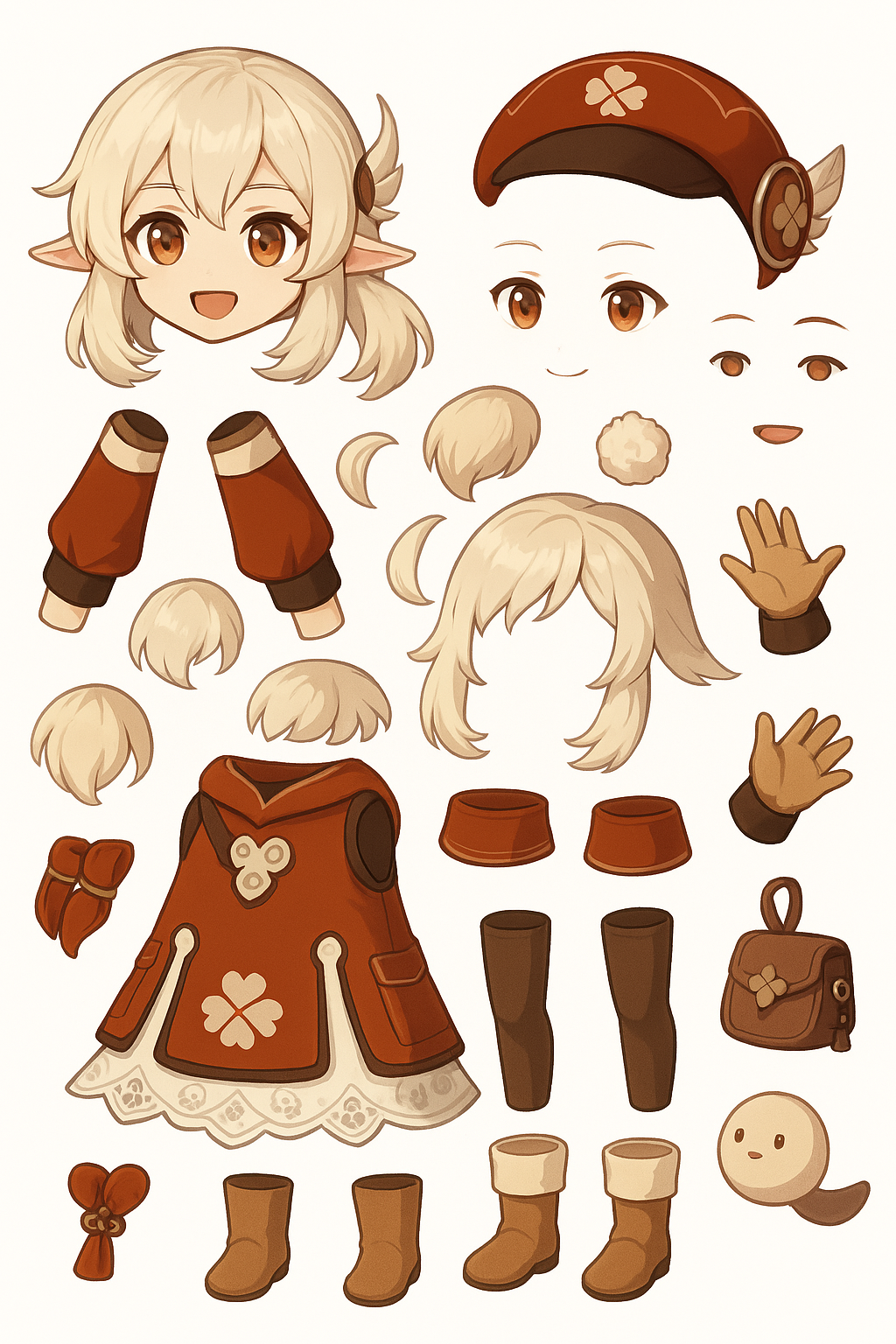
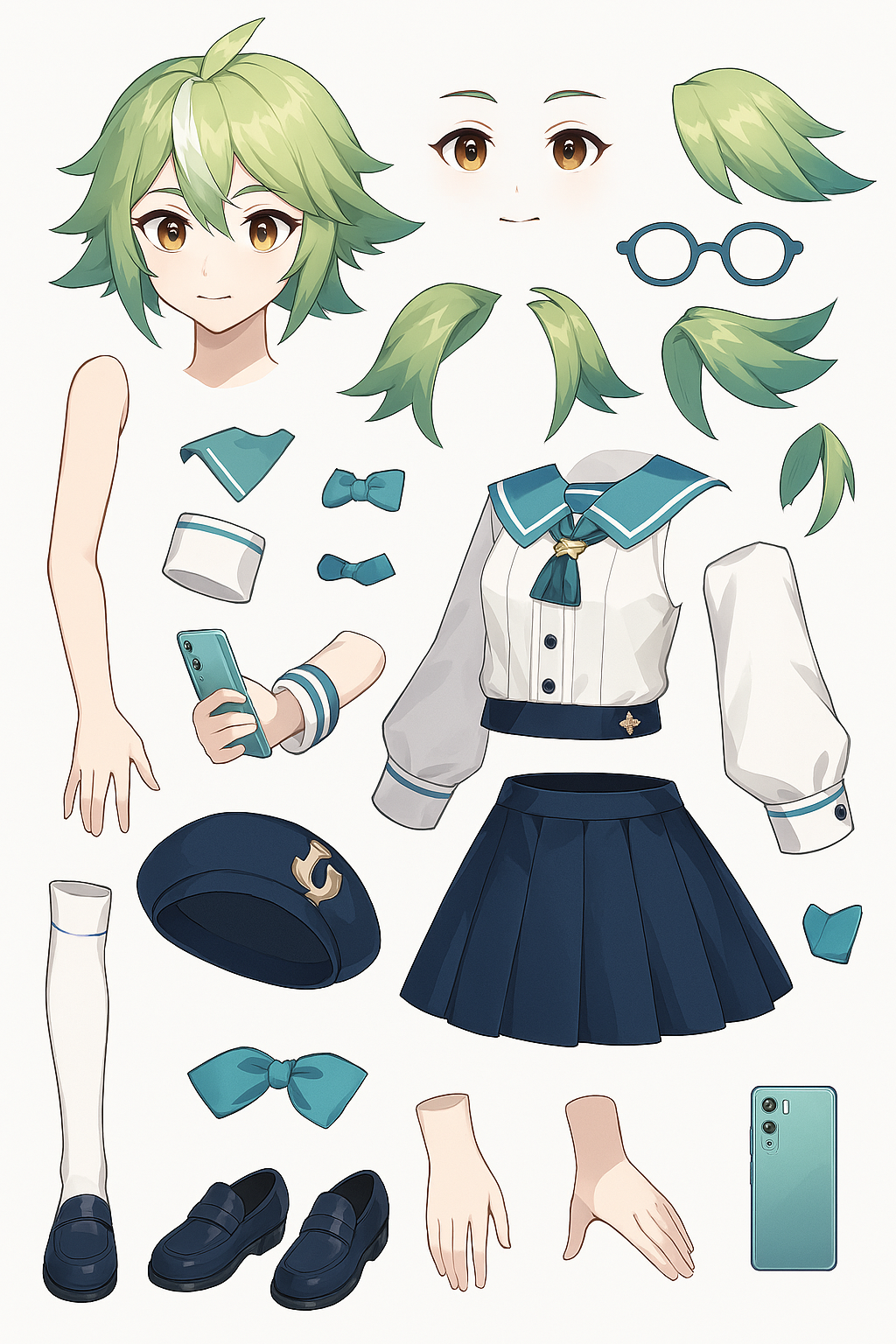 Parts sheet 1
Upload anime or character art
JPG, PNG or WebP, up to 12 MB
Sign in to upload your image
Layer count
Free accounts can use up to 4 layers; subscribers get up to 8.
Anime art layers
Most people who want an anime PSD are after the same stack: the character on one layer, props or effects on another, and a background plate underneath. The AI makes that first cut.
The figure comes away from scenery, panel borders and foreground effects and gets its own layer in the anime PSD, ready to move, flip or reuse after some edge cleanup.
The rough cut around hair, costume edges and props happens automatically. Your time goes into refining the edges people will see, not masking the whole figure from scratch.
The background layer usually comes back with the area behind the character filled in, so one still becomes a stack of planes for a camera drift, a short reel or a visual novel scene.
Sign in, upload a JPG, PNG or WebP of up to 12 MB and choose 2–8 layers. The AI returns transparent layers, usually character, props and background, which you export as a layered anime PSD or a ZIP of PNGs. Each run costs 10 credits.
How it works
Most runs finish in 1–5 minutes. The parts sheet beside the original is a reference for the detail a rig needs. The AI split is coarser: each layer holds a whole object, such as the character or a prop.
Sign in and upload an illustration, a single comic panel or an AI-generated anime scene with some visible depth.
Choose 2–8 layers. The model separates the character, props and background into transparent RGBA layers.
Preview each layer, then download a layered PSD for Photoshop, Clip Studio Paint, Krita, Photopea or GIMP, or a ZIP of PNGs. No watermark.
Parts breakdowns
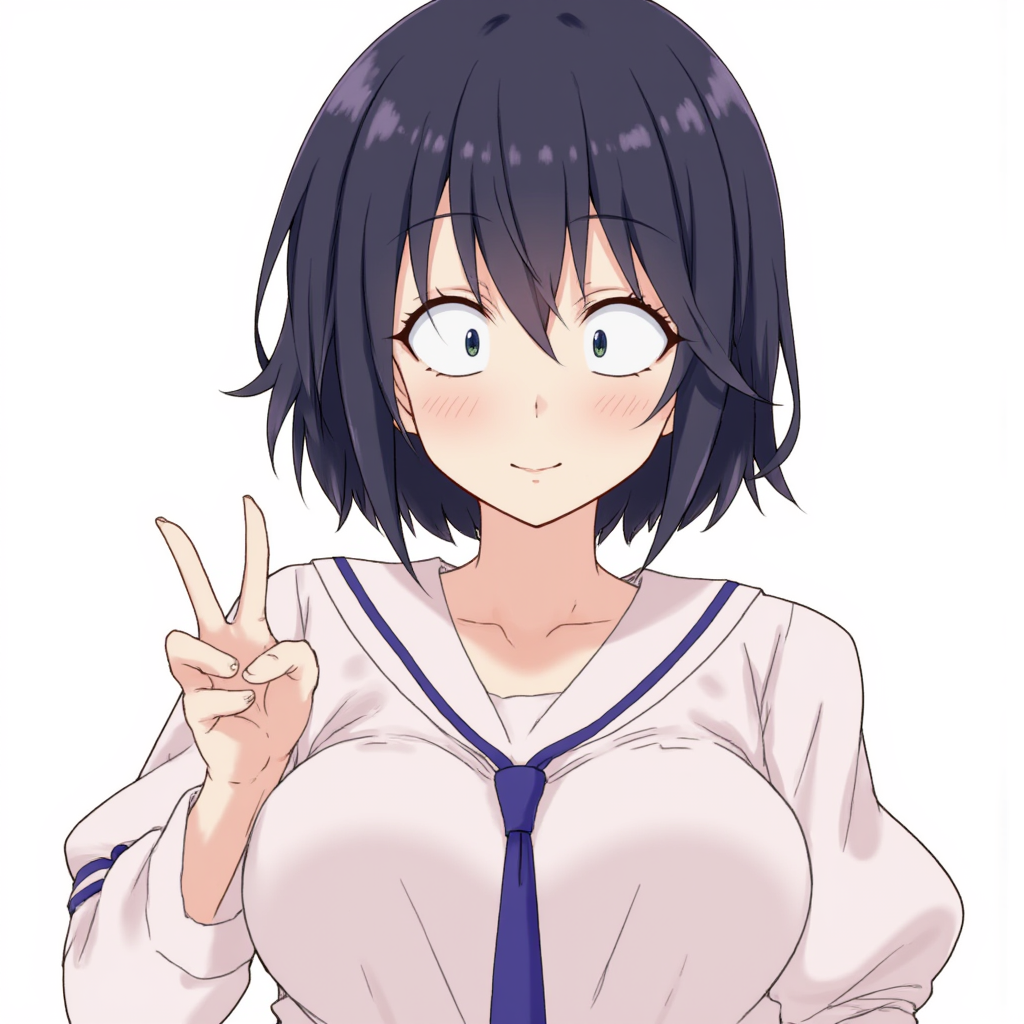
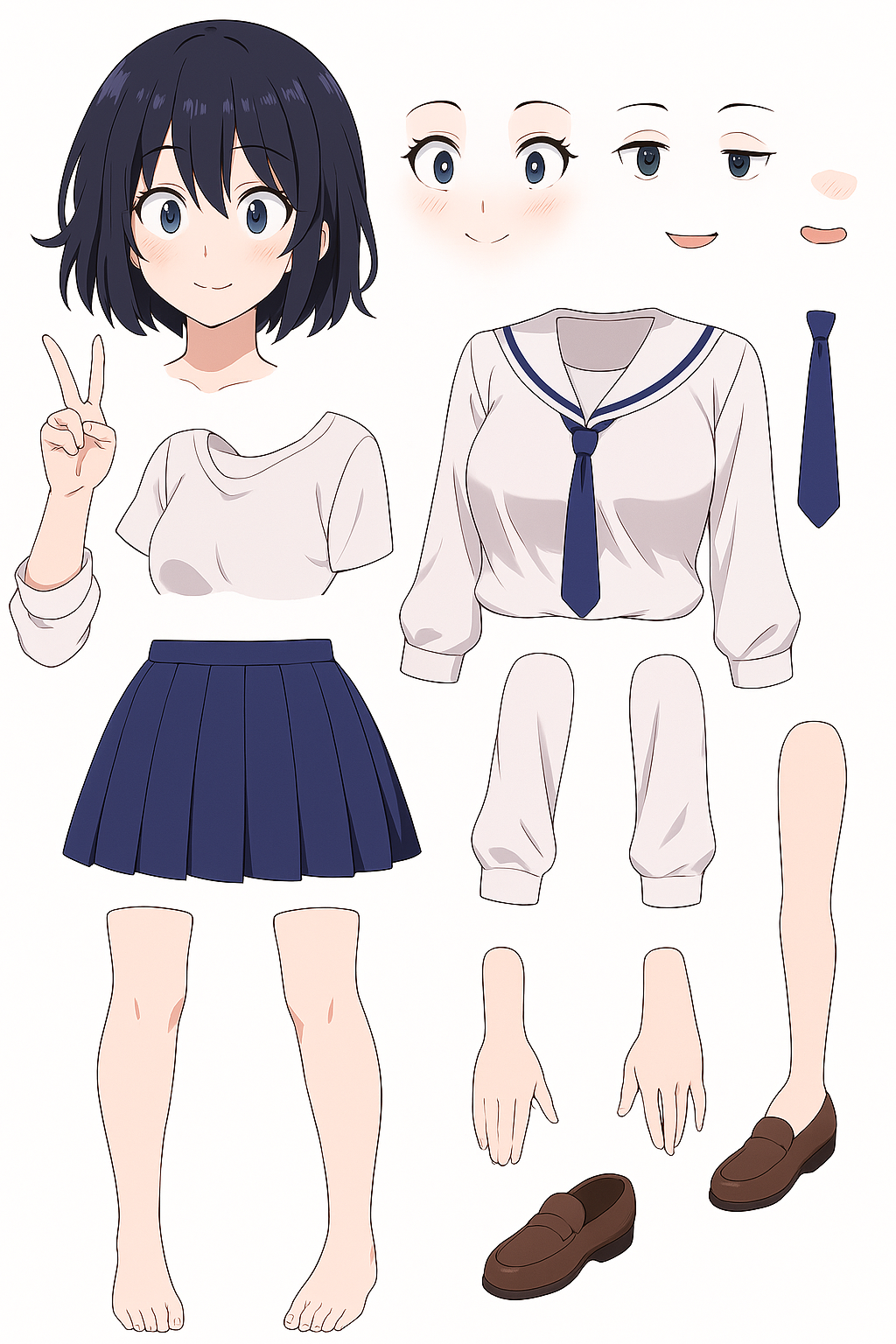
These parts sheets were not made by this tool. Each one sits beside its illustration to show how finely a rig breaks a character apart, far finer than the whole-object layers an AI split returns.
Use cases
A layered anime PSD is rarely the finished piece. It is the base for a sprite, a parallax shot or a model, and each needs its own cleanup.
Split one panel into characters, foreground shapes and background art, so it can be recropped or reused in a new layout without a redraw.
A character on its own transparent layer is most of a sprite or prototype game asset. Clean the hair edges, keep the background for the scene, and draw new expressions yourself.
Move the background and character at different speeds in any video or animation tool, and a single still picks up depth.
An anime PSD opens in Live2D Cubism Editor, but rigging needs much finer parts, like front and back hair, eyes, brows and mouth. Treat the layers as a base to cut up and repaint.
With the character and background apart, recolor an outfit, repaint the sky or build thumbnails and banners, using art you drew or have permission to reuse.
Best fit
Knowing the limits saves a wasted run. Check your image and end use against these three points first.
Anime stills, single comic panels, character art, VTuber-style graphics and AI anime scenes, where the character, props and background already read as separate planes.
No split can recover the lineart, flat colors, shading or sketch layers of the original file. You get new layers rebuilt from the finished image, with a whole object on each.
Hair strands, eyes and mouths stay attached to the character, and layers come out at the model's working resolution. For Live2D, sprites or print, treat the anime PSD as a starting point.
FAQ
Straight answers on what the split returns, how it fits a Live2D workflow, which apps open the file and what a run costs.
A Photoshop document that stores an anime illustration as a stack of layers instead of one flat picture. Hand-painted files usually separate lineart, colors and shading. An anime PSD made from a finished image is split by object instead, such as the character, props and background.
This site does not host a download library; it makes an anime PSD from art you upload. Artist communities and resource sites do share free anime PSD files, so read each file's license before you use it.
Sign in, upload the image, pick a layer count and start the split. It usually takes 1–5 minutes. Preview each layer, then download the anime PSD or a ZIP of transparent PNGs.
Yes, as a base. It opens in Live2D Cubism Editor, but a riggable Live2D PSD needs far finer parts than an AI split returns: front and back hair, eyes, brows and mouth on their own layers, with hidden areas painted in. Nothing here rigs a model for you.
Drag the PSD file into the modeling view of Live2D Cubism Editor. Each layer becomes its own ArtMesh, so the layer breakdown decides what you can deform. Finish cutting, repainting and naming layers in a painting app first.
Usually not. The model separates large planes, such as a character, a held prop and the background, rather than facial features or hair strands. More layers may peel off an accessory or effect, but face parts still need cutting by hand.
Usually. The background layer tends to come back with that area painted in, so you can move the character without leaving a hole. Results vary: busy scenes can show smudges or repeated patterns, so check that layer before you animate.
Start with 2 for a plain character-and-background split, which suits parallax. Try 4 when the scene has props or foreground effects. Counts of 5 to 8 need a subscription and can isolate smaller elements, but may cut one object across two layers.
Photoshop, Clip Studio Paint, Krita, GIMP and the browser-based Photopea open it with layers intact. The background sits at the bottom of the stack, and every layer is aligned on one canvas. If an app cannot read PSD, use the PNG ZIP.
Layers come out at the model's working resolution, not your upload size: in one test, a 1024×1024 image returned 640×640 layers. That suits sprites and motion tests; for print, repaint or upscale in another app, since the tool does not upscale.
It works best on one panel or illustration with a clear subject. A full manga page with several panels, speech bubbles and screentone is too much to separate cleanly, so crop to one panel first. Lettering comes out as pixels, not editable text.
Yes, as a first pass. Download the PNG ZIP to get each layer as a transparent file, clean the edges around hair, and place the character over a new scene. New expressions and poses still have to be drawn.
Yes. Generated anime scenes can be good inputs, since they often have one clear subject and a simple background. The tool does not create images from prompts, so generate the artwork elsewhere, then upload it like any other image.
Each run costs 10 credits whatever the layer count, and failed runs are refunded automatically. Free accounts can pick up to 4 layers, subscribers up to 8. Neither the anime PSD nor the PNG ZIP carries a watermark. Current plans are on the pricing page.
Splitting an image does not change who owns it. If you drew the art or hold a license, the same rights cover the layers. Fan art of existing characters stays subject to the owner's rights, so check before selling anything made from it.
Sign in, upload a JPG, PNG or WebP and pick 2–8 layers. Preview each transparent layer in your browser, then download a layered PSD or a PNG ZIP with no watermark.