
Any flat image as the source
Photos, 3D renders, illustrations and AI art from Midjourney, DALL·E, Stable Diffusion or similar tools all work, as long as the file is a JPG, PNG or WebP of up to 12 MB.
Upload a photo, a render or an image you made in Midjourney, DALL·E or Stable Diffusion. This AI PSD generator splits it into transparent layers and builds a layered PSD, or a ZIP of PNG layers, for Photoshop, Photopea, GIMP or Affinity.
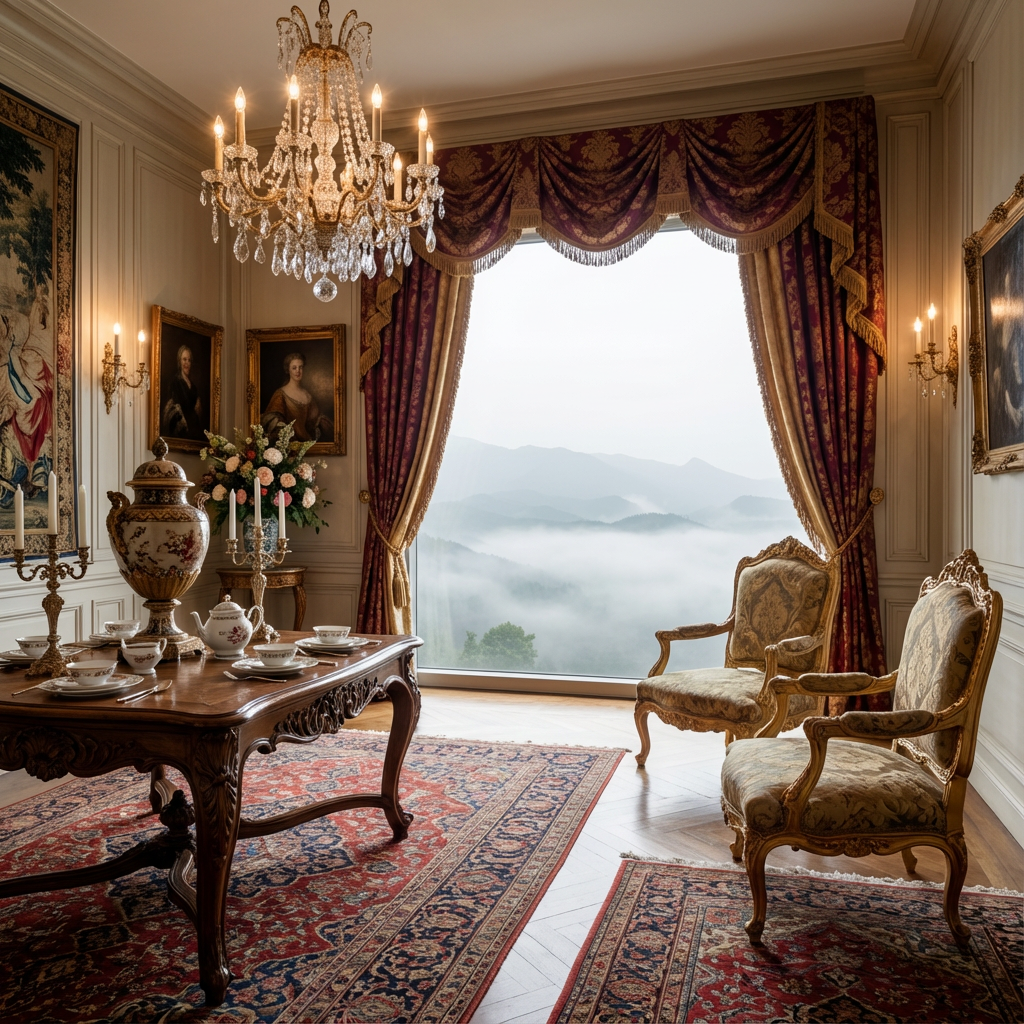 Original
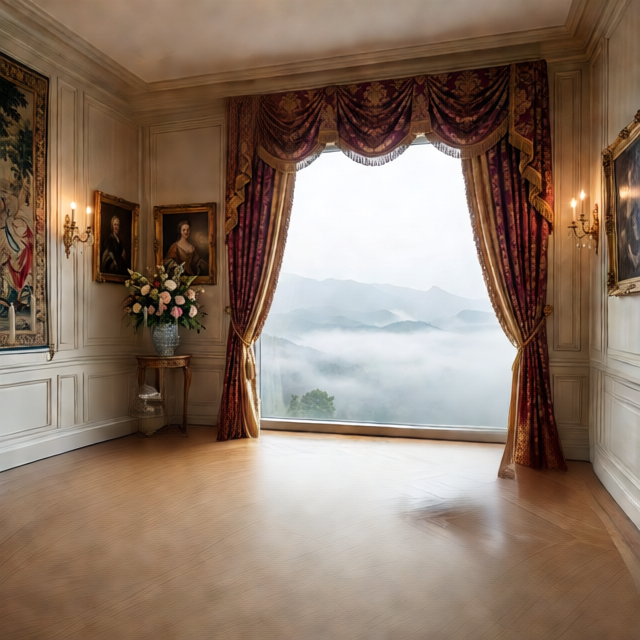 Layer 1
Click or drag an image here
Sign in to upload your image
Layer count
Free accounts can use up to 4 layers; subscribers get up to 8.
What it generates
It does not create pictures from a text prompt. You bring an image you already have, and the tool produces the part that is slow to make by hand: a layered file where the subject, background and objects usually sit on separate transparent layers.
Photos, 3D renders, illustrations and AI art from Midjourney, DALL·E, Stable Diffusion or similar tools all work, as long as the file is a JPG, PNG or WebP of up to 12 MB.
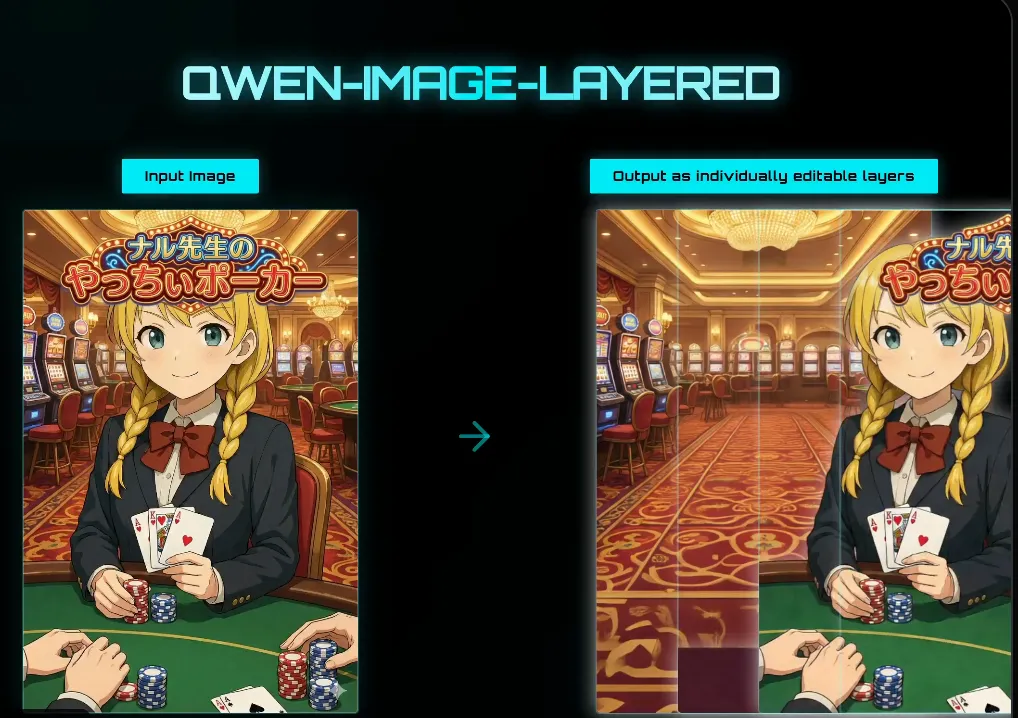
Qwen Image Layered, run through fal, splits the image into 2 to 8 RGBA layers. A plain format converter would only rewrap the flat picture; this gives you separate pieces you can move.
Move the subject, recolor the background, set your own headline between layers, or animate the pieces for parallax. Every layer keeps its transparency and lines up with the others.
An AI PSD generator turns a single flat image into a layered Photoshop document. This one works from images rather than prompts: upload a photo or AI artwork, choose how many layers you want, and download a PSD whose layers you can edit, hide or rearrange in your editor.
From image to layers
There is no prompt to write. Upload the image, set a layer count and wait while the model splits it, which usually takes one to five minutes. Each run costs 10 credits whatever the layer count, and failed runs are refunded automatically.
Sign in and upload a JPG, PNG or WebP of up to 12 MB: a photo, a product render or artwork exported from the AI image tool you already use.
Pick 2 to 8 layers. Low counts give broad pieces such as subject and background; higher counts can isolate props and shadows. Free accounts go up to 4, subscribers up to 8.
Check each transparent layer, then download the layered PSD or a ZIP of PNG layers. Nothing is watermarked, and the file opens in Photoshop, Photopea, GIMP and Affinity.
Common sources
This kind of tool is most useful when you already have a finished flat image that needs to become editable again. These are four common sources.
Generated images arrive flat. Splitting one into layers lets you fix the composition, swap the backdrop in your editor or reuse a character without re-rolling the prompt and losing the look.
Put the product, its shadow and the backdrop on separate layers, then build listing images and ads in your editor from one source file.
Get editable pieces back from a flattened poster or thumbnail when the original layered file is lost. Text returns as pixels, not live type.
Separate the foreground, a character and the background from one illustration to animate depth in After Effects, on a web page or in a video editor.
Best fit
This tool has one job: making a flat image layered. Check these three points before you spend credits.
Photos, renders and AI artwork with a clear subject and background, where editing the pieces separately beats regenerating or redrawing the whole picture.
There is no text-to-image generation and no prompt-based editing. Create the picture in your image generator of choice first, then bring the file here to split it.
Layers are transparent pixels, not vectors or live text, at the model’s working resolution: a 1024×1024 upload returned 640×640 layers. There is no upscaling.
Common questions
It takes one flat image and generates a layered PSD from it. An AI model, Qwen Image Layered via fal, splits the picture into transparent layers, typically the subject, the background, and shadows or objects, and packages them as a PSD or a ZIP of PNGs.
No. There is no text-to-image generation or prompt editing. Make the picture first with an AI image generator such as Midjourney, DALL·E or Stable Diffusion, or with a camera, then upload it here to turn it into layers.
An AI image generator creates a new picture, usually from a text prompt, and returns it as one flat file. An AI PSD generator like this one starts from a picture that already exists and splits it into editable layers. The two work well together: generate the image first, then layer it.
Yes. Save the image as a JPG, PNG or WebP of up to 12 MB and upload it. AI artwork with a clear subject and a distinct background usually splits into clean, usable layers.
It is free to try. Each run costs 10 credits whatever the layer count, failed runs are refunded automatically, and downloads carry no watermark. Credit packs and subscriptions are listed on the pricing page.
You choose between 2 and 8 before each run; free accounts go up to 4 layers and subscribers up to 8. The model decides what lands on each layer, so preview them before you download.
Photoshop, Photopea, GIMP and Affinity all open the file with its layers intact. If your tool cannot read that format, download the PNG ZIP and stack the transparent layers yourself.
No. Every layer is a pixel layer, so a headline or logo comes back as an image of text rather than live type or vector shapes. Fonts cannot be pulled back out of a flat picture here, so add final text in your editor.
Layers are produced at the model’s working resolution, not your original size: a 1024×1024 upload returned 640×640 layers. There is no upscaling, so the PSD suits screen work better than print.
Usually between one and five minutes per image. When the run finishes, every layer appears in the preview and the PSD and PNG ZIP downloads become available.
Images with a clear subject, defined edges and a distinct background. Hair, smoke, glass, heavy blur and busy collages are harder and may need a different layer count or some manual cleanup.
Not yet. There is no batch processing or public API, so each image is uploaded and processed as its own run.
Splitting an image does not change who owns it. If you hold the rights to the picture, including under the terms of the AI tool that made it, you can use its layers the same way.
Yes. Uploaded images and generated layers are kept in cloud storage so you can preview and download them. Read the privacy policy before uploading client work.
Sign in and upload a photo, render or AI artwork, and the AI PSD generator splits it into transparent layers. Preview them, then download a layered PSD or a PNG ZIP with no watermark.